
ngoma. messiaSASAmbura
Echoes of Colonial Scars and Shadows:
Between Religious Response and Cultural Awakening
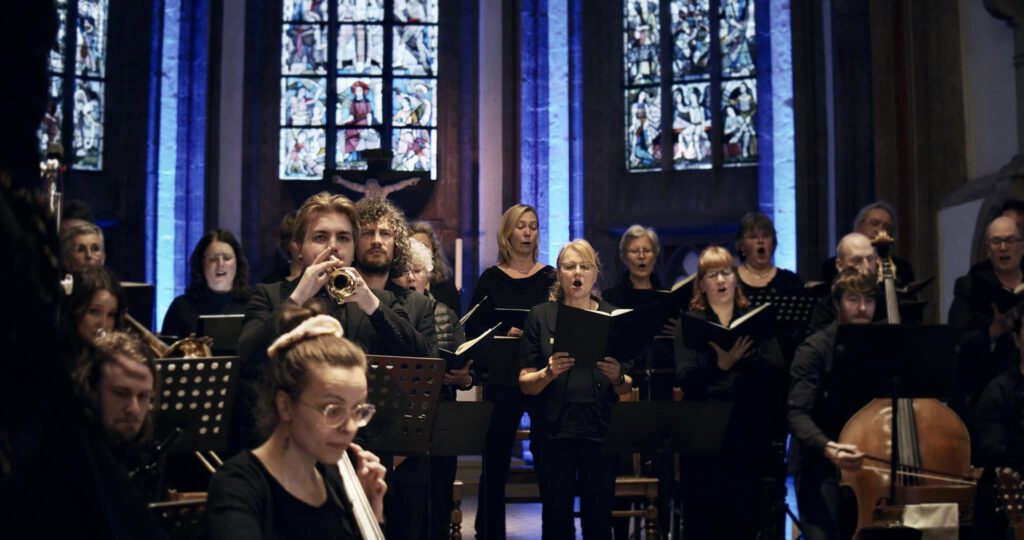
In the instrumental suite messiaSASAmbura.ngoma, compositional and choreographic bridges are built between “early” and “new” music. The work interweaves Christian-influenced musical traditions with East African sound worlds. This gives rise to moments of fusion, dialogue, and confrontation: Baroque basso continuo meets a wide range of sonic imitations of East African ensemble forms.
The suite invites reflection beyond musical boundaries—on the spread of Christianity in the context of colonial expansion in East Africa, and on the often neglected historical and cultural backgrounds. It challenges us to break with familiar patterns of thought and to ask questions such as: How much synthesis is possible? How much inspiring contrast can remain? And how can history be reinterpreted into a peaceful perspective of hope for cultural diversity?
Accompanying composition workshops that connect music and movement patterns take up the scars and shadows of colonial history and serve as inspiration for compositional techniques and specific sound spaces.
The suite also understands itself as a requiem—for the people who lost their lives as enslaved persons in Bagamoyo (the name translates as “lay down your heart”), and for the victims of the Maji Maji Uprising, the largest intra-African uprising against a colonial power.
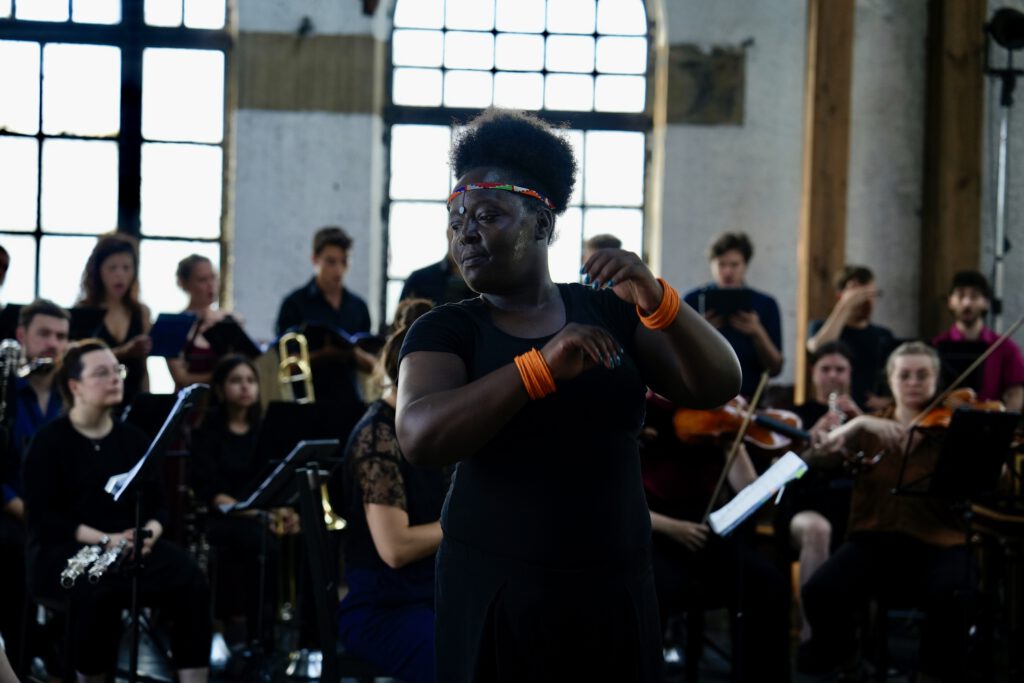

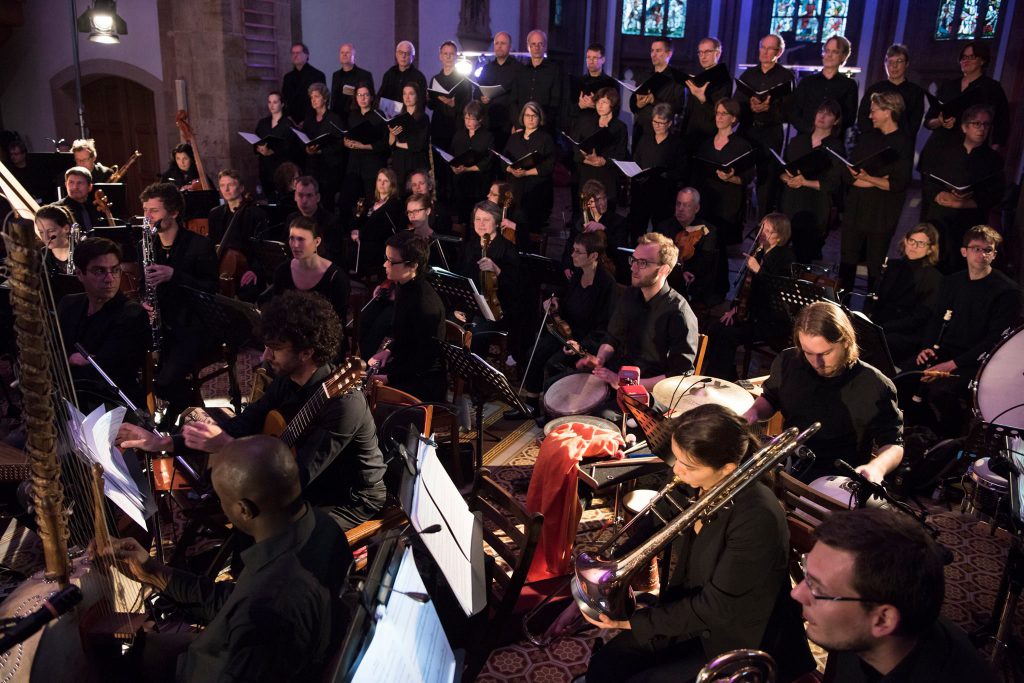
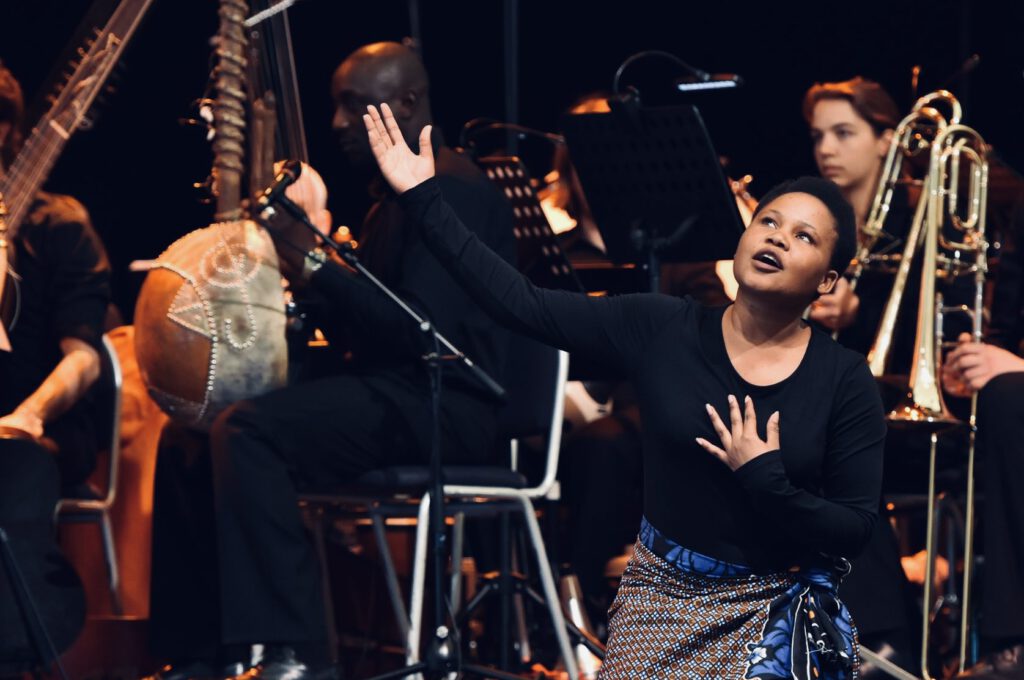
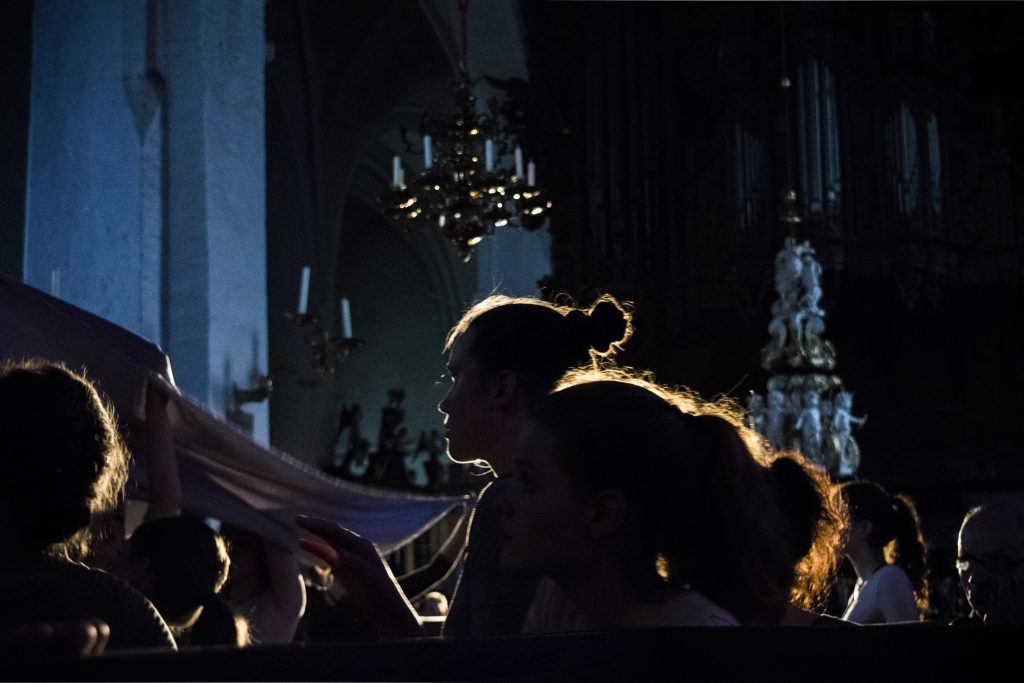
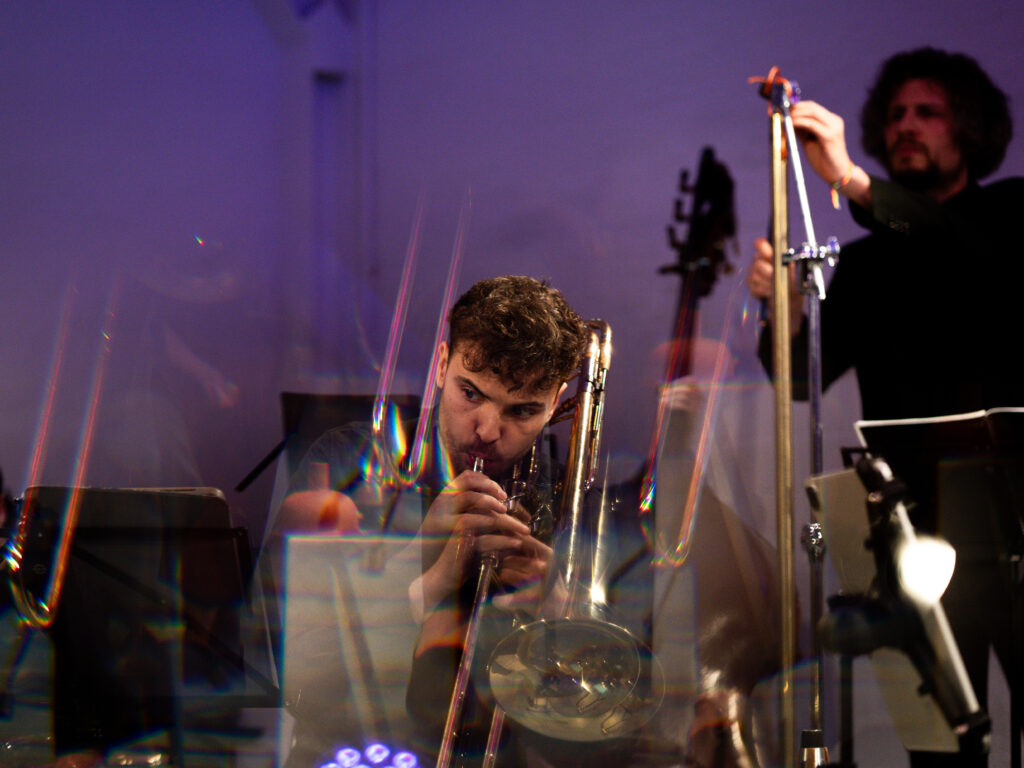


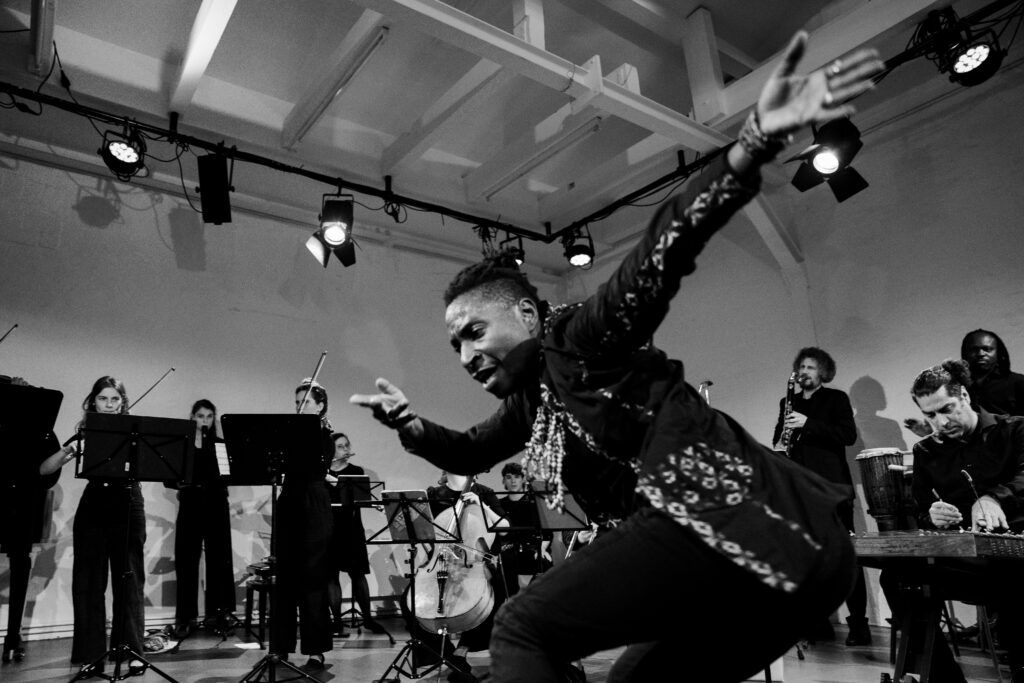
MessiaSASAmbura was created through the musicians of the asambura ensemble’s engagement with the musical traditions and the people of the Usambara Mountains and the neighboring steppes in eastern Tanzania, a region that was missionized – starting from the very Europe that was long convinced of its cultural and Christian-based superiority. Even if some of the positive effects of missionary history must be viewed in a differentiated way, missionary work was combined with colonial arrogance and the development of power. Both left indelible traces – still perceptible as painful wounds, scars and imprints. MessiaSASAmbura poses questions about this complex past and present.
► read more
composition • Maximilian Guth (based on Georg F. Händel)
world premiere • 2016 Minden
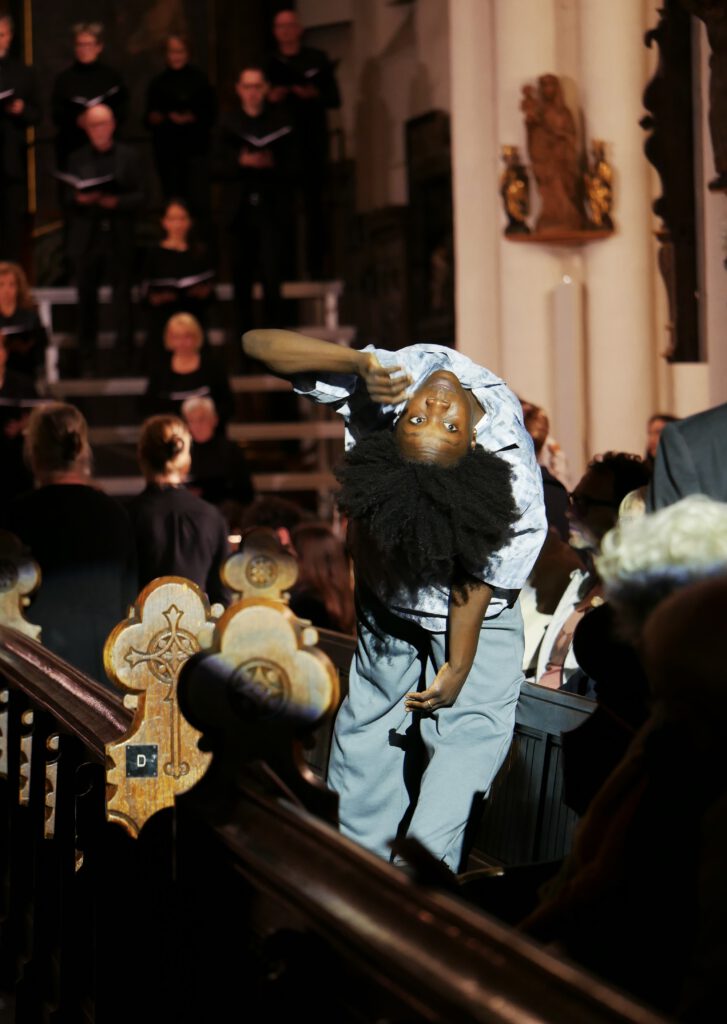
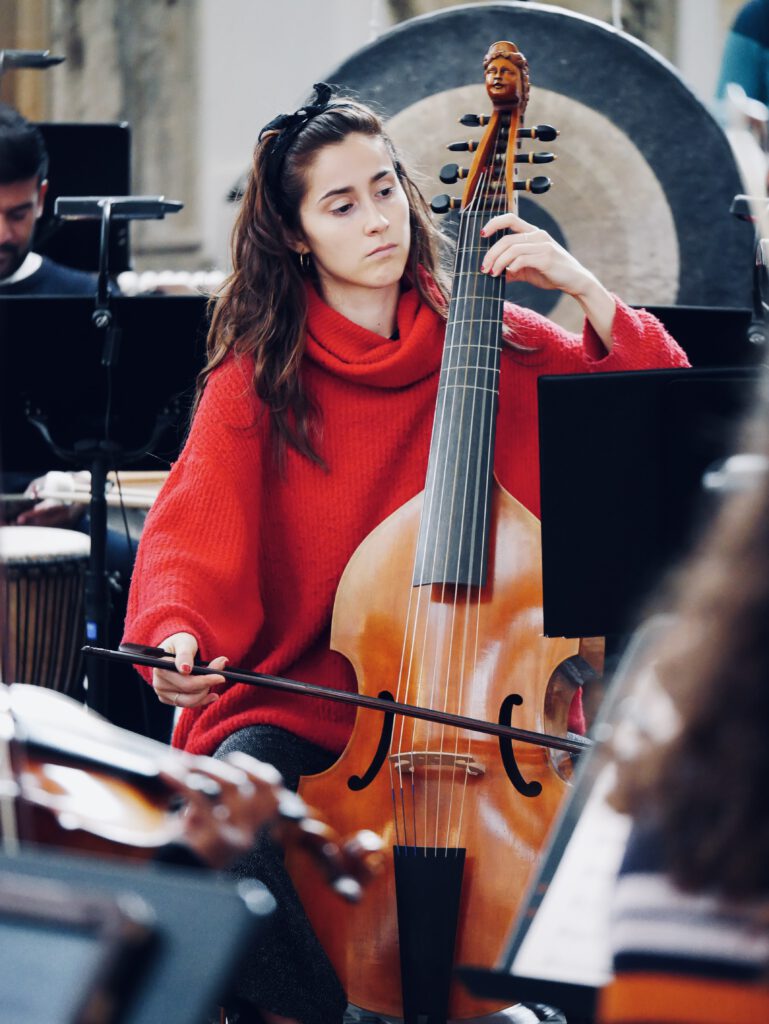
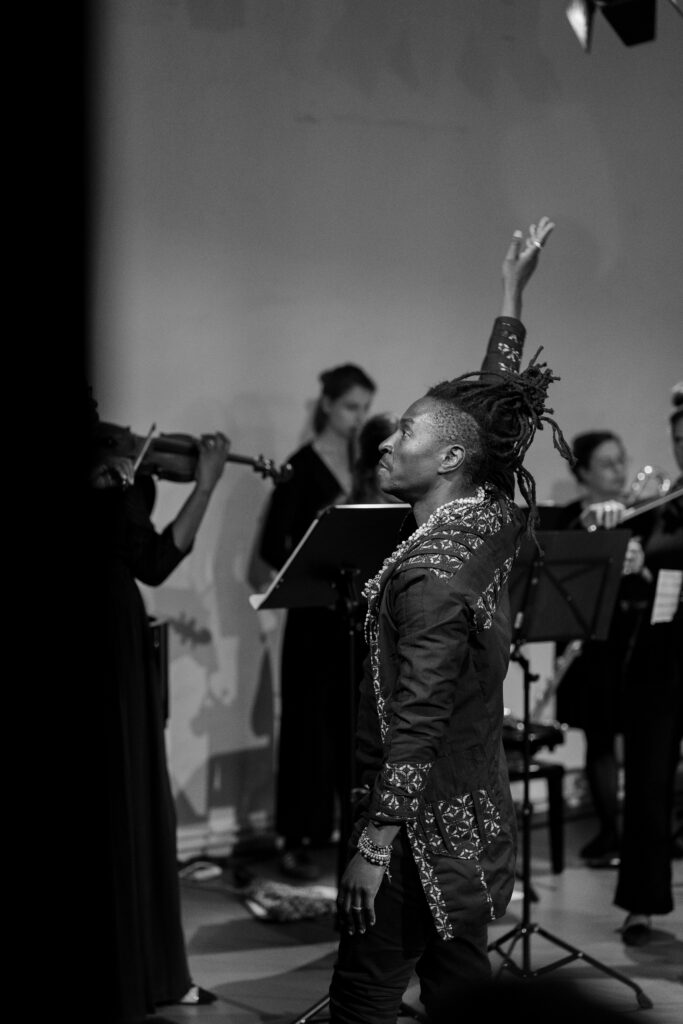
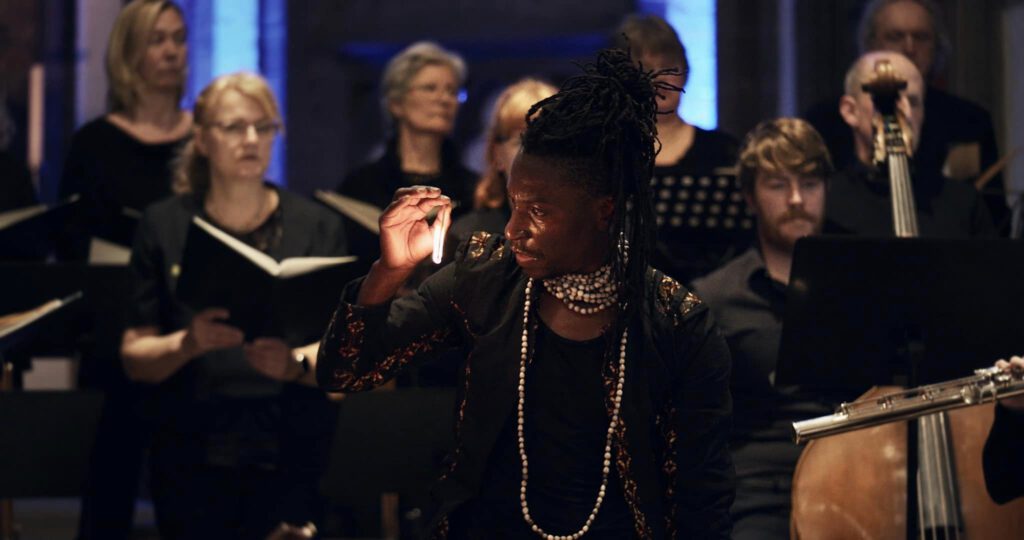
“outstanding and remarkable!”
TONALi
“The asambura ensemble succeeds in a truly special way in finding the right tone for the diversity, plurality, and social responsibility we are currently facing.
It is about bringing together cultures, religions, and people of very different backgrounds—
within a culture that carries mutual respect into society. Truly moving.”
Prof. Dr. Kirsten Fehrs
Chair of the Council of the Evangelical Church in Germany (EKD)
“impressively crossing the boundaries of what has been heard so far“
Lübecker Nachrichten
“The work captivates and draws the listener under its spell. Sound surfaces are replaced by rhythmically percussive passages. The transitions are seamless and organic.” Mindener Tageblatt
“always surprise anew variety and sophistication of instrumentation.“
Neue Zeitschrift für Musik
“The motto of the work – ‘Weite wirkt’ – is a conscious affirmation of stylistic and cultural pluralism. It is not about eliminating differences, about leveling and flattening, but about tolerance, about tolerating the initially foreign without fear and prejudice.“
Neue Westfälische Zeitung
“Guth’s music allows the sound forms of the asambura ensemble to come into their own. The pieces usually grow out of a few sounds, which then form rhythmically concise sound spaces. They thus form an exciting contrast to Handel’s baroque musical language without competing with it. In times of omnipresent despair, belief in hope is one of the central messages that can have an impact far beyond countries and denominations.“
Mindener Tageblatt
“The musical level and the quality of the interpretation were outstanding without exception. The tension never let up, the deep symbolism of the work and its associative power of imagination could be experienced with all the senses. Minutes of standing ovations from the audience were both thanks and reward.”
Die Glocke
“The effect this instrumental suite has on the listener is immediate and powerful: avant-garde soundscapes from which the melodic lines of the solo instruments suddenly emerge, whispered and shouted speech passages, concise rhythms; and Handel’s original shimmers through everything again and again. World knowledge that cannot be seen.”
Mindener Tageblatt
“A cross-cultural concert treat!”
Göttinger Tageblatt
“Master of musical alchemy”
Neue Zeitschrift für Musik
“The famous “Hallelujah” from George Frideric Handel’s “Messiah” is difficult to sing in these times: War and hunger, flight and displacement not only dominate the headlines, but also the lives of millions of people around the world. These people need help – and hope for a better life. MessiaSASAmbura radiates this hope and at the same time gives the necessary strength to those who help people in need.”
Hannelore Kraft, ehem. Ministerpräsidentin NRW
* Choreografie und Solistin Virginia Breitenbaumer (1)
* Choreografie Petra Nottmeier, Solistin Waridi Kapala (2, Uraufführung)
* Choreografie & Solistin: Manuela Bolegue (3)
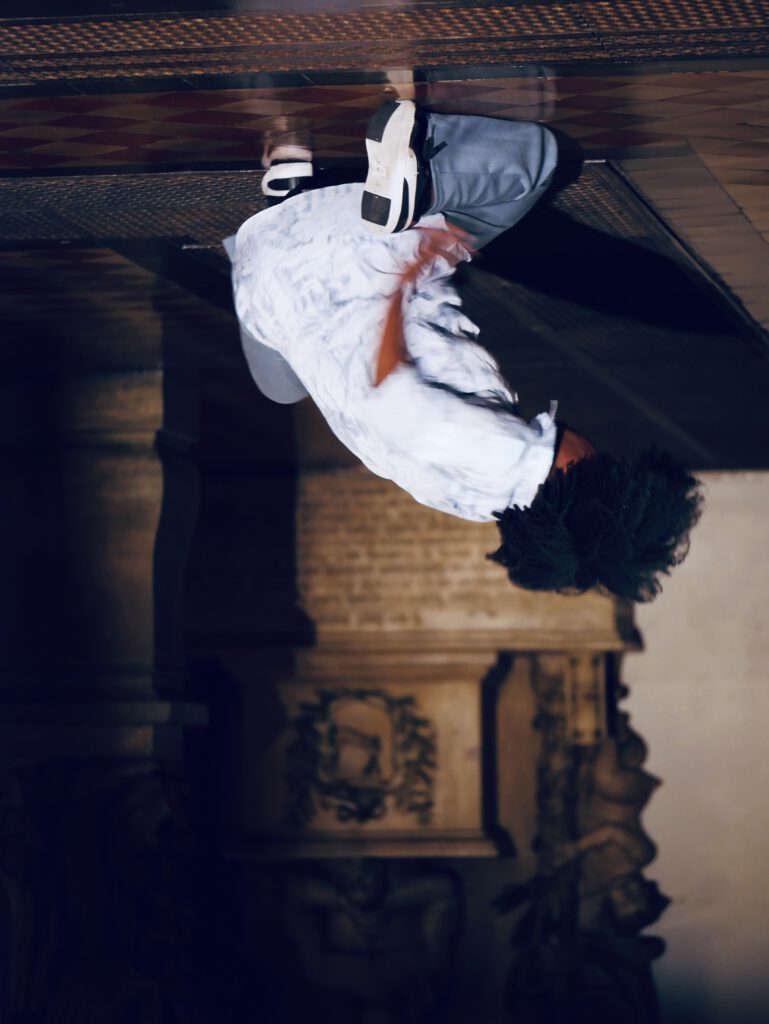
* Choreografie & Solist: Michael Gagawala Kaddu (4)