nourara
christmas oratorio transcultural
Hope in foreign lands?
Bach interwoven with Armenian sounds in a new way?
>>> Interesse, mitzuwirken? <<<
Melden Sie sich bei uns für den Mitsingchor am 06.12. in Hannover
► HIER zum Mitsingen anmelden
Wir freuen uns auf Sie!
Christmas—a celebration of light, hope, and community—gets a new voice in nourara. The transcultural Christmas oratorio nourara interweaves Johann Sebastian Bach’s familiar choruses and arias with musical expressions from non-European Christian cultures, particularly Armenian and pre-Islamic Syrian traditions, opening up the familiar Christmas narrative to new, polyphonic perspectives.
The central question is what Christmas means in a world marked by flight, persecution, and exclusion. How do light (nour), hope (ara), and the search for protection in the darkness sound from these different perspectives—and how does the message of Christmas become a sign of hope in times of foreign rule?
There is a particular focus on Armenian musical tradition: as the world’s first Christian country (since 301 AD), Armenia developed a deeply rooted spiritual culture that is closely linked to its eventful history. Experiences of oppression, diaspora, and the longing for peace continue to shape Armenian identity to this day—from medieval monasteries to the traumas of the Armenian genocide in 1915.
At the same time, nourara opens up a view of the soundscapes of pre-Islamic Christian Syria and perspectives on loss and longing.
The Transcultural Christmas Oratorio nourara seeks to musically explore and reflect on this historical context by linking the Armenian tradition of mourning—in particular the liturgical chants of the “Sharakan” (Շարական)—with the messages of hope and peace found in the Christmas story. At the same time, it opens our eyes to other traditions that also process experiences of exile, resistance, and spiritual hope in their music.
New compositions that interweave Bach’s choruses and arias with these diverse traditions create a musical dialogue between soundscapes, cultures, and eras. Christmas thus becomes audible as a message of hope, solidarity, and compassion—transcending the boundaries of time, space, religion, and gender.
composition • Johann Sebastian Bach. Shadi Kassaee. Elisabeth Fußeder.
Ayşe Deniz Birdal. Maximilian Guth
conception. instrumentation • Maximilian Guth
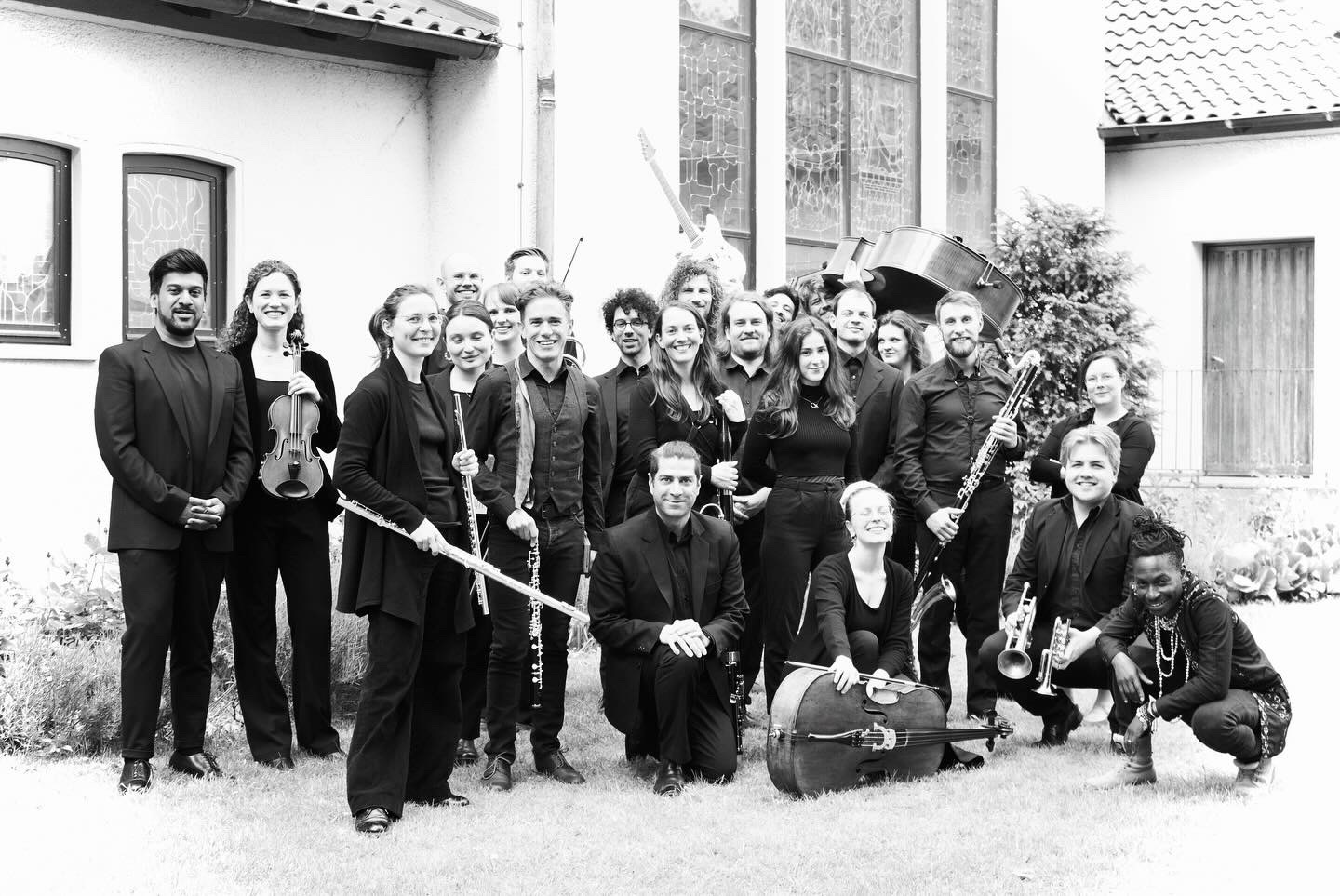
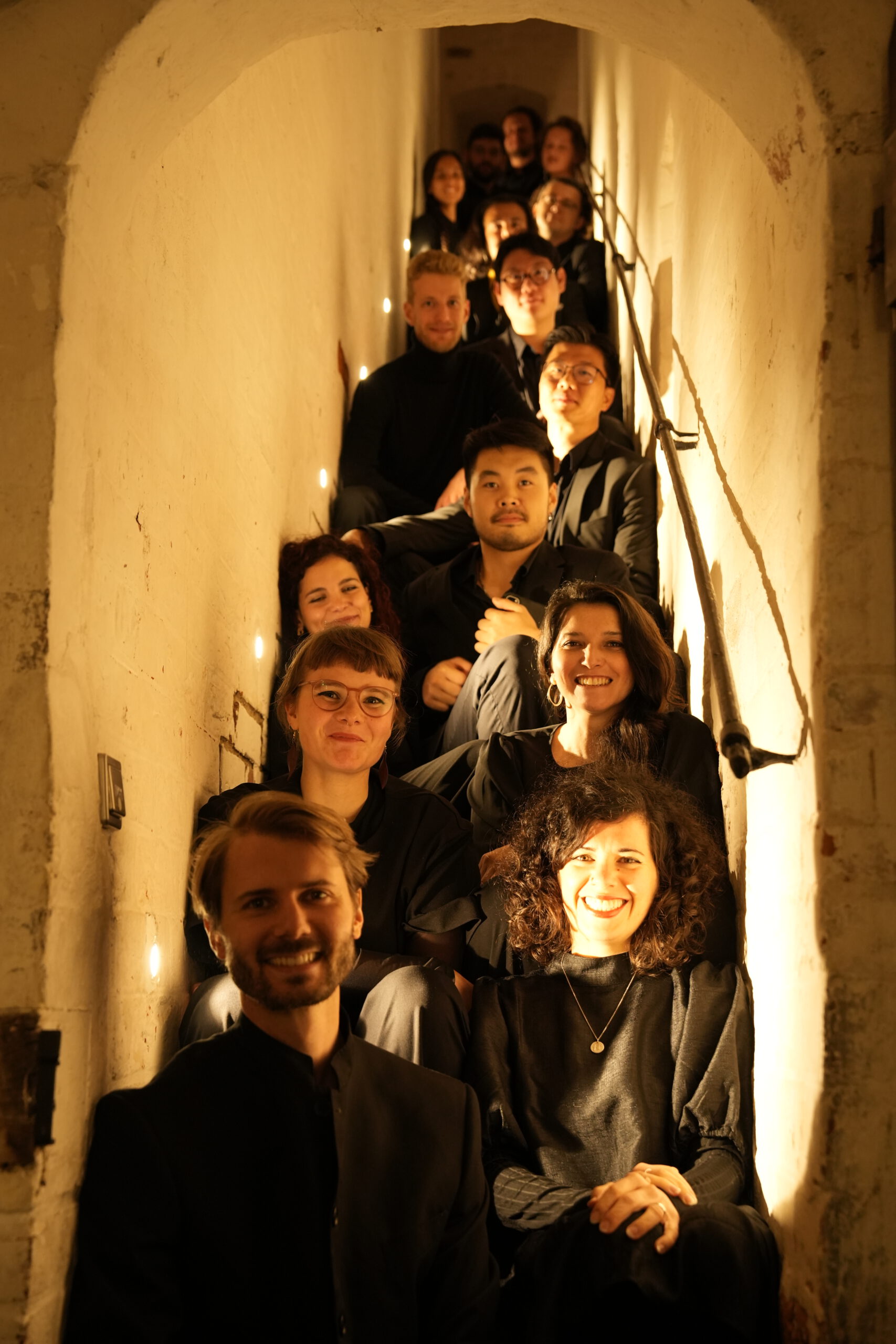
polyLens vokal
asambura ensemble
conductor • Joss Reinicke
PREMIERE • 2025 in Hanover
Shadi Kassaee (born 1999, Hamburg) is a German-Iranian composer. Her works have been performed at venues including the Laeiszhalle Hamburg, the Gewandhaus Leipzig, the Horizonte Festival of the Göttingen Symphony Orchestra, and internationally, for example in Peru. She works with renowned ensembles such as the AsianArt Ensemble, Ensemble Adapter, and Ensemble Ascolta, and regularly composes for theater, including at monsun.theater Hamburg. In the 2024/25 season, her orchestral work à la recherche de la vérité perdue was premiered by the Brandenburg State Orchestra. She has received numerous awards for her work, including the Klaus Huber Prize and a composition scholarship from the Voktett Hannover.
For nourara, she creates transcultural sound spaces that combine different traditions. Elements from Western, Iranian, and contemporary music flow into her compositions.
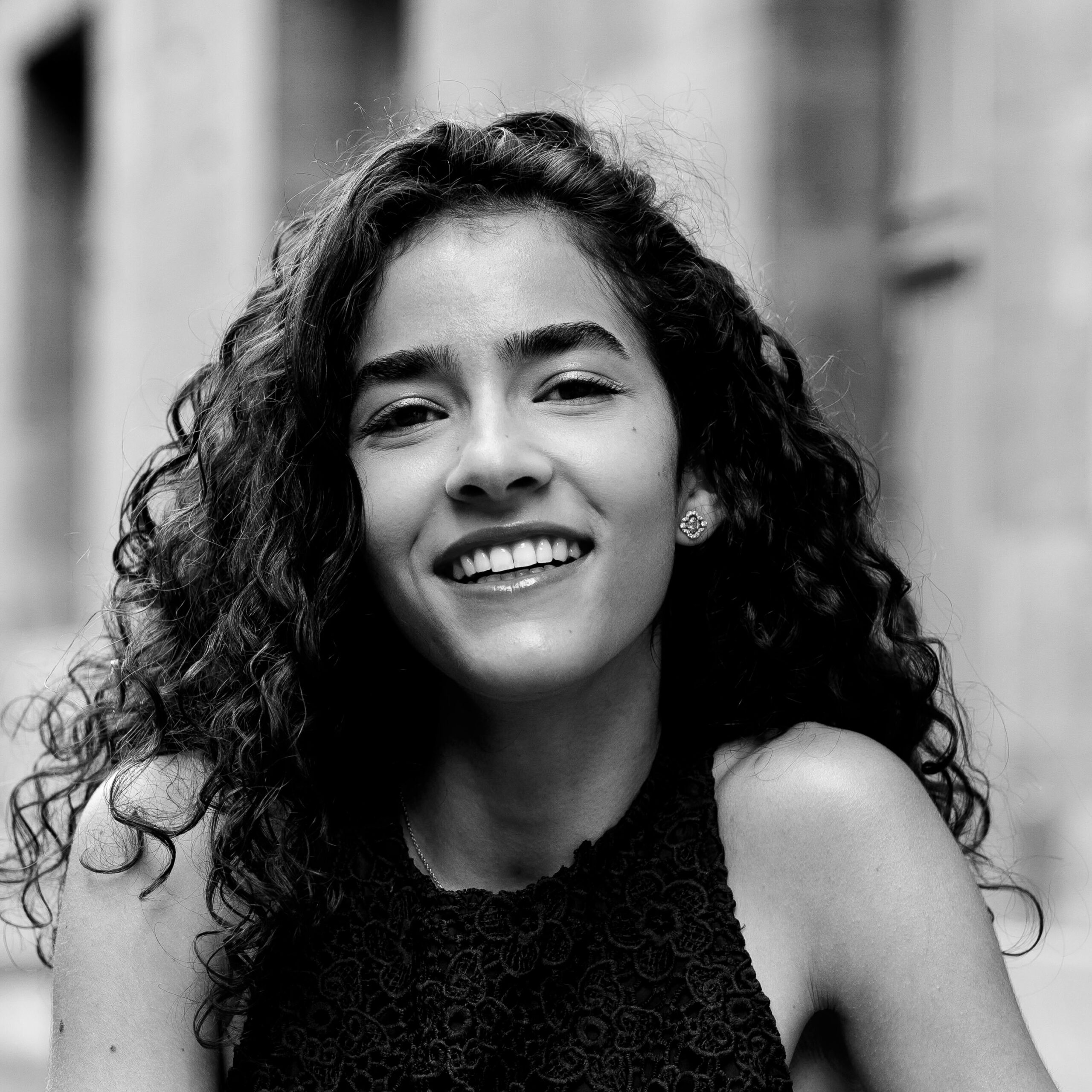

Elisabeth Fußeder (born in 2000) composes for renowned choirs and ensembles. Her works have been performed by the German National Youth Choir, the Stuttgart Philharmonic Orchestra, the via-nova-chor Munich, and Eric Ericson’s Kammarkör. Her works have received numerous awards, including the Valentin Becker Prize, the randspielen Zepernick, and the Nocturne competition (Voktett Hannover / Carus-Verlag). A focus of her work is the diversity of vocal forms of expression between tradition and the present.
In nourara, she reflects on transience, comfort, and hope from different cultural and spiritual perspectives. She actively contributes her experience as a choir singer to the creation of polyphonic soundscapes.
Ayşe Deniz Birdal (born 1996, Istanbul) is a cellist with a passion for new music, improvisation, and the music of her homeland. She has performed at the Menuhin Festival Gstaad String Academy and the Kronberg Academy Cello Festival, among others, has appeared as a soloist with the Kaunas Philharmonic Orchestra, and has won awards at international competitions. In addition to her classical repertoire, she is involved in transcultural projects and social engagement, for example as part of Yehudi Menuhin Live Music Now and the Augsburg interfaith dialogue project Karl Jenkins – A Mass for Peace.
In nourara, she particularly emphasizes the interweaving of improvisational and interfaith sound traditions.
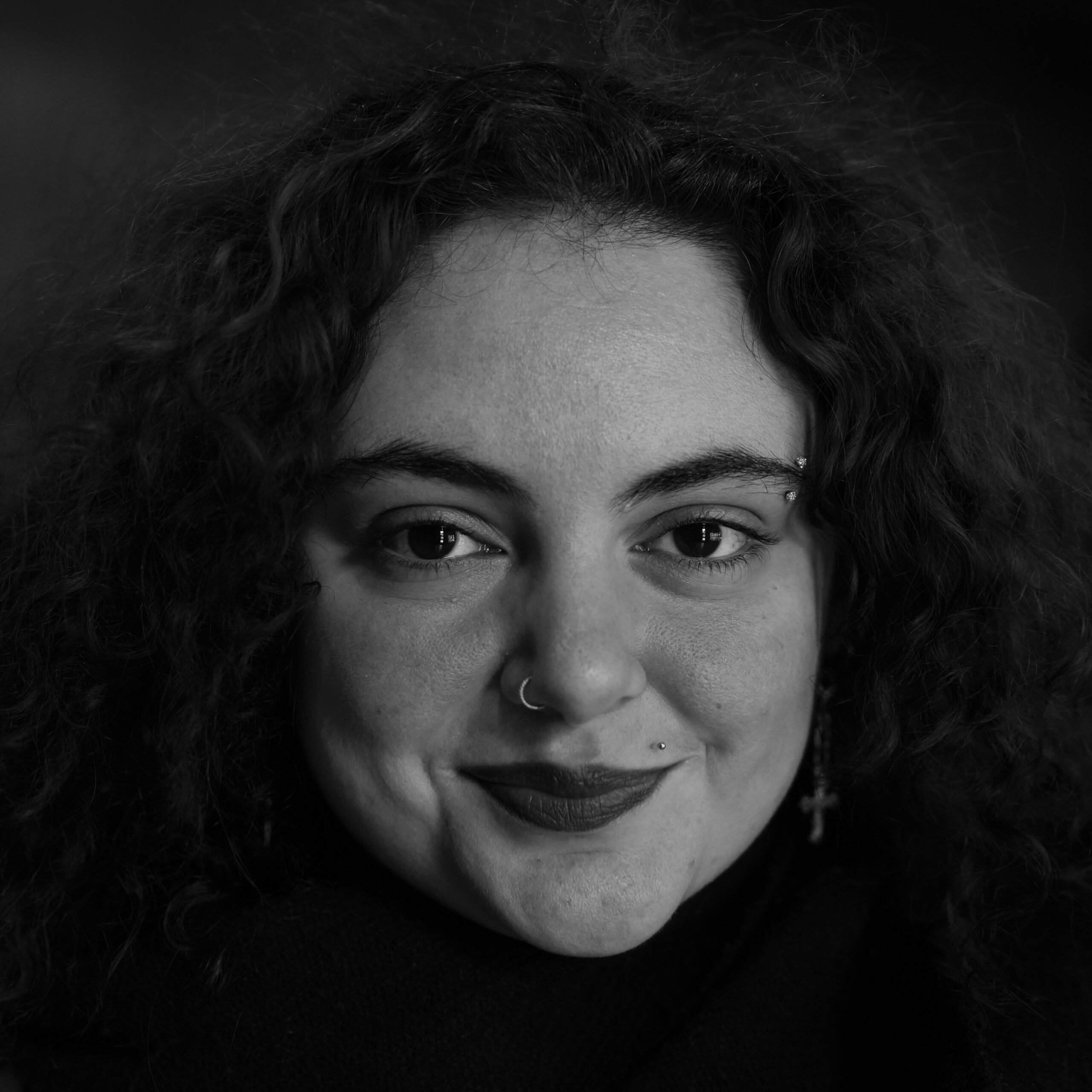
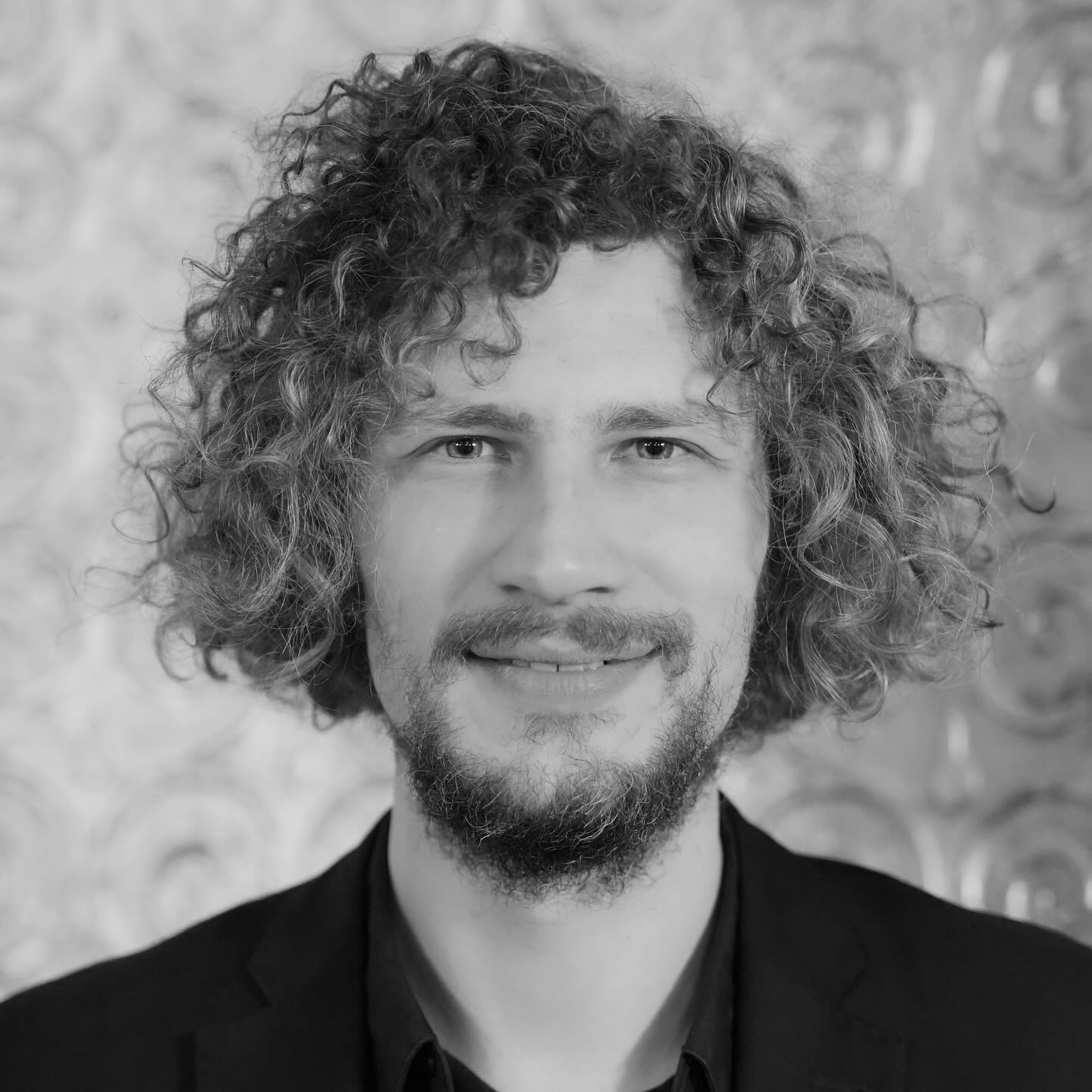
Maximilian Guth’s artistic and mediating work focuses on building bridges and interfaces between different cultures, religions, and migration backgrounds. He is committed to promoting the importance of cultural diversity and interreligious understanding in society.
He develops sound spaces in which different cultural and religious traditions meet. For nourara, he uses overtone-rich impulses, polyphonic recitations, and vibrating beats to make interreligious connections audible.
► further information to download
► TICKETS for the premiere performance in Hanover 06.12..2025
► SING ALONG at the performance in Hanover 06.12.2025
► TICKETS for the performance in Lilienthal (near Bremen) 07.12.2025
► programm booklet
► further thoughts
composing as re-illuminating